Safe and Clean Wildlife Removal
Wildlife pests such as raccoons, squirrels, bats, and birds often become a significant nuisance for residential and commercial properties. These animals can cause structural damage, contaminate food supplies, and spread diseases. Statistics indicate that over 60% of property damage claims involve wildlife-related issues, highlighting the importance of effective removal strategies. Infestations can lead to costly repairs and health risks if not addressed promptly. Understanding the behavior and habitats of these pests is crucial for successful management. Professional wildlife removal ensures that animals are safely and humanely relocated, reducing the risk of future infestations.
Raccoons often invade attics and crawl spaces, causing damage and leaving droppings that can spread disease.
Squirrels build nests in trees and roofs, chewing wiring and insulation, which can lead to fire hazards.
Bats roost in eaves and attics, and their droppings can create health concerns and unpleasant odors.
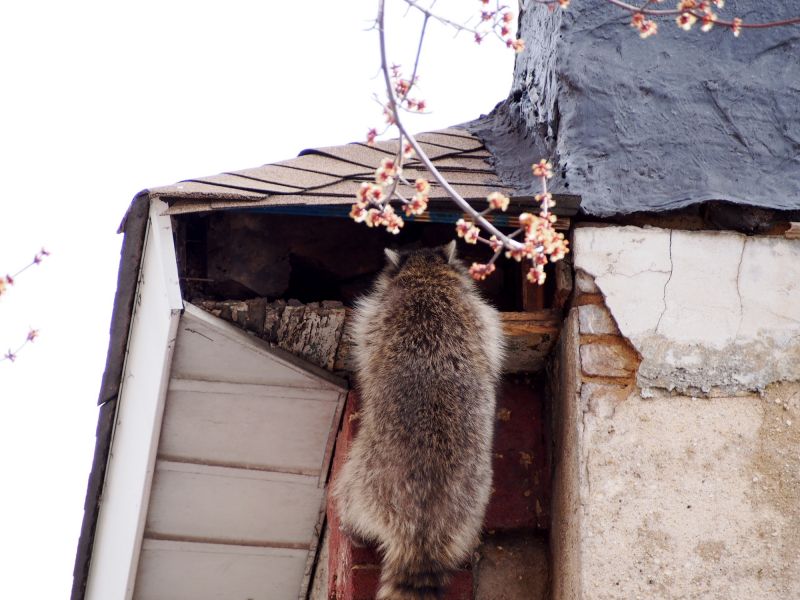
Raccoons can tear apart roofing and vent systems in search of shelter.
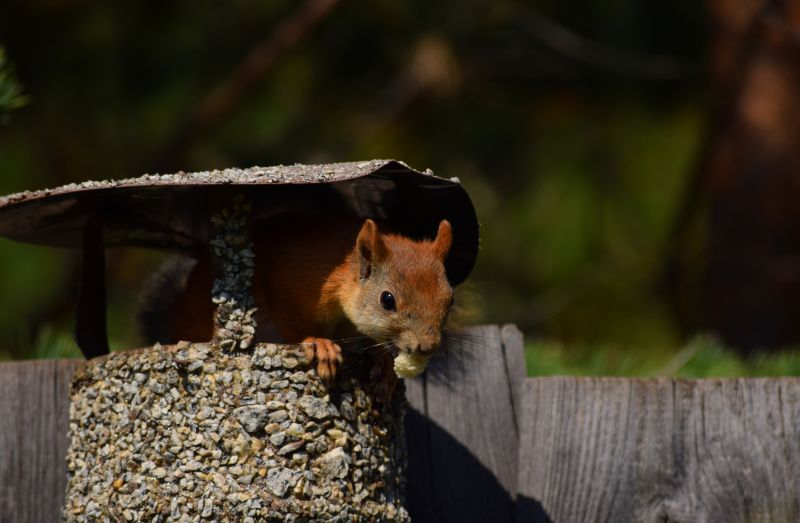
Squirrels nesting inside walls can cause wiring damage and insulation issues.
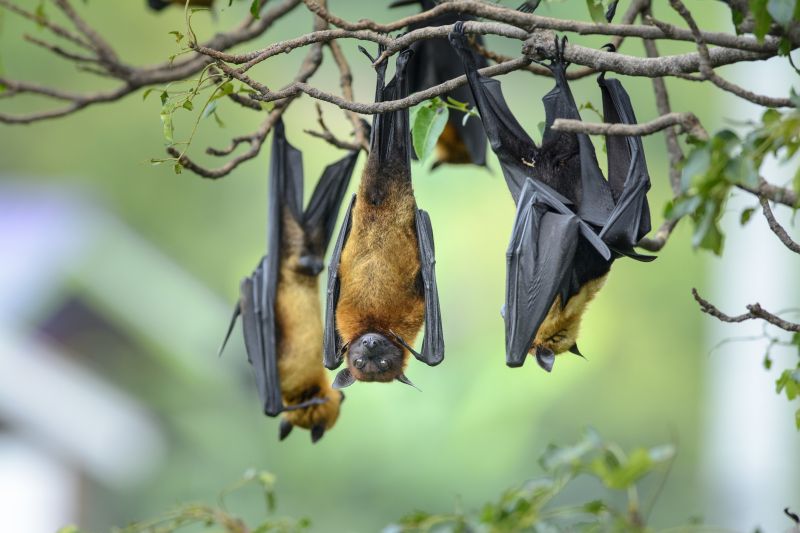
Bats often roost in dark, secluded areas like eaves and attics.
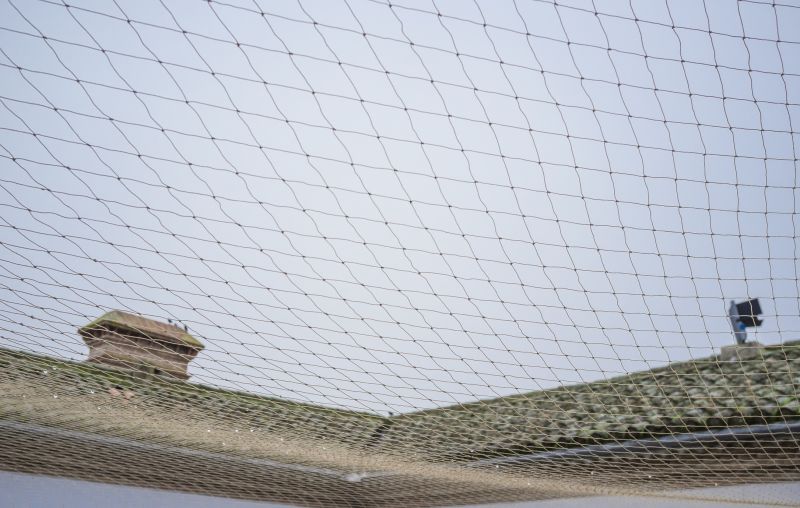
Birds nesting on roofs and vents can lead to blockages and droppings buildup.
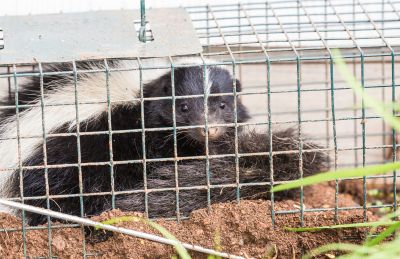
Skunks digging under decks or sheds can create unpleasant odors and burrows.
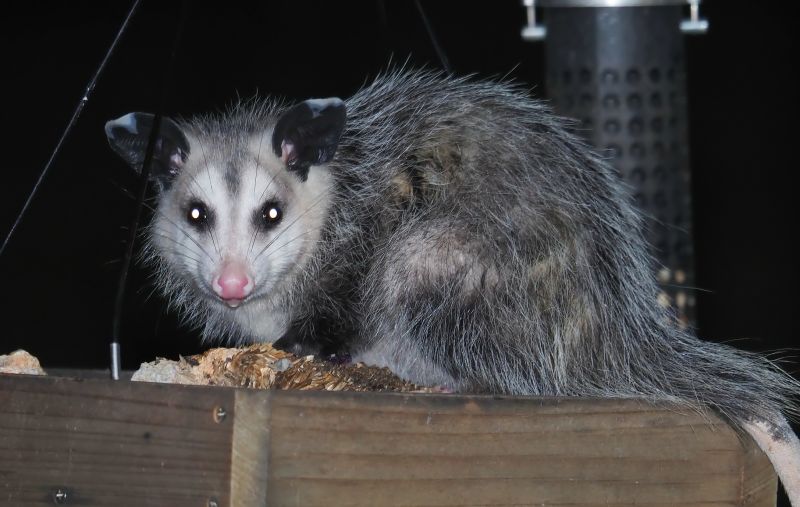
Opossums often seek shelter in crawl spaces, causing damage and sanitation issues.
| Wildlife Pest | Description of Nuisance |
|---|---|
| Raccoons | Damage to roofs, vents, and insulation; potential spread of parasites and diseases. |
| Squirrels | Chewing electrical wiring, nesting in attics, and causing structural damage. |
| Bats | Roosting in eaves and attics, droppings can cause health hazards and odors. |
| Birds | Nesting on rooftops and vents, leading to blockages and sanitation issues. |
| Skunks | Burrowing under structures, emitting strong odors, and potential disease carriers. |
| Opossums | Infiltrating crawl spaces, damaging property, and creating sanitation concerns. |
| Mice and Rats | Contamination of food supplies, wiring damage, and spreading illnesses. |
| Crows | Nesting and roosting in high places, causing noise and droppings buildup. |
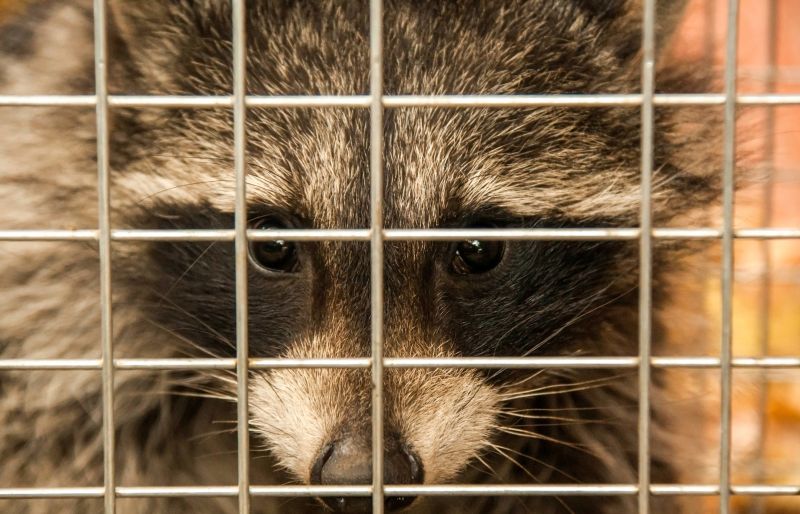
An example of a raccoon accessing an attic through a damaged vent.
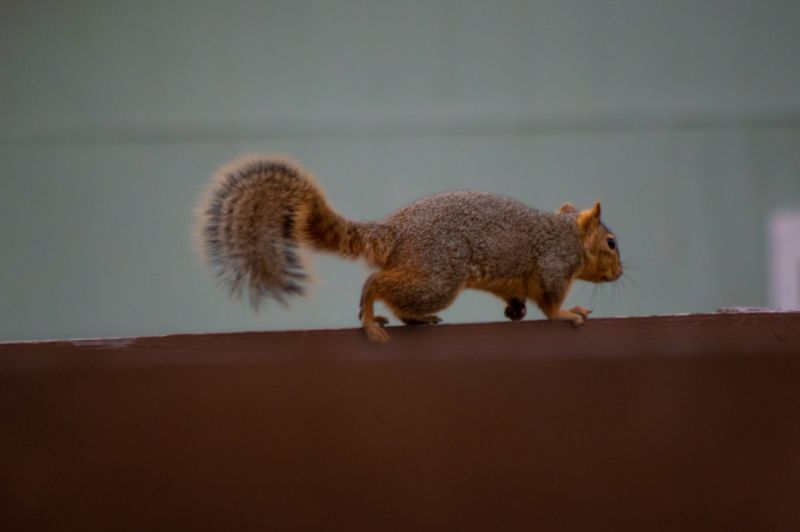
Squirrels chewing through electrical wiring in a home.
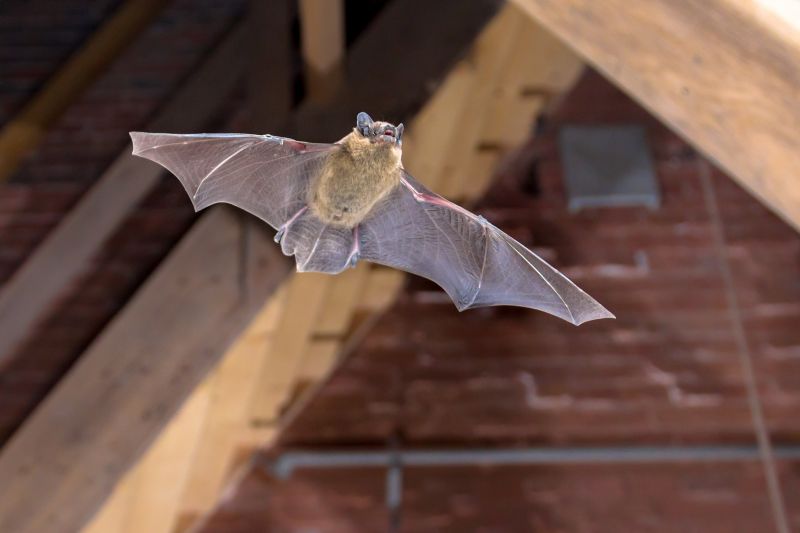
A typical bat roost in an eave space.
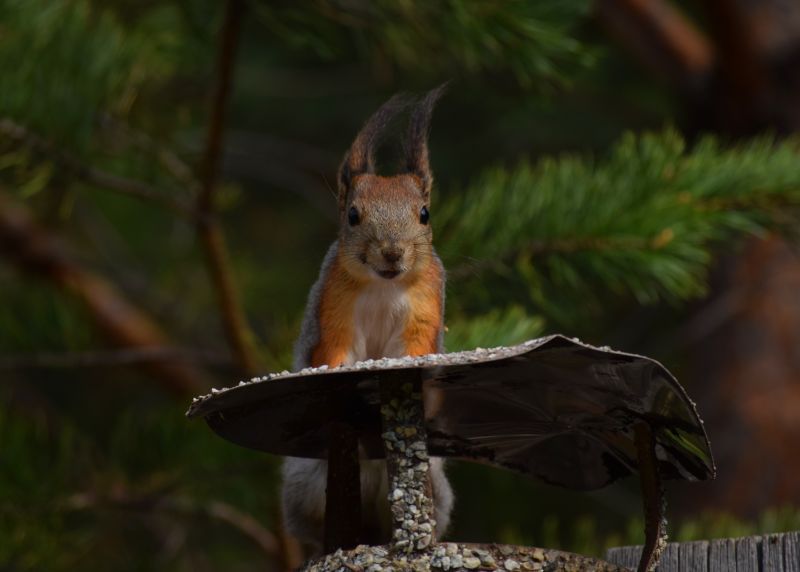
Birds nesting on a chimney cap.
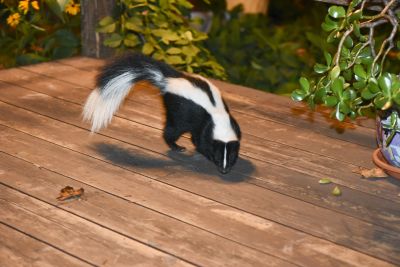
A skunk burrow under a deck.
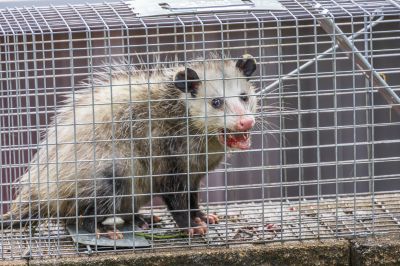
An opossum hiding inside a home's crawl space.
Implementing wildlife pest control benefits both residential and commercial properties by preventing property damage, reducing health risks, and maintaining sanitary conditions. Proper removal and exclusion methods help protect structures from costly repairs and mitigate the spread of diseases associated with wildlife pests. Regular inspections and effective deterrents can minimize future infestations, ensuring a safe and clean environment. Professional wildlife removal services provide humane and efficient solutions tailored to specific pest issues, ensuring safety and compliance with local regulations. These services also help property owners avoid the potential dangers of DIY methods, which can sometimes be ineffective or harmful.
Hiring a professional for wildlife pest control ensures that removal is performed safely, humanely, and thoroughly. Experts understand animal behaviors and habitats, allowing for targeted strategies that reduce the likelihood of animals returning. Professional services also include sealing entry points and implementing preventive measures to protect the property long-term. This comprehensive approach minimizes risks to residents, pets, and the environment. Entrusting wildlife removal to experienced professionals provides peace of mind and effective resolution of pest issues without unnecessary damage or health concerns.
**Contact today to receive a quote for wildlife pest control services and take the first step toward a pest-free property.**