
Leading Animal Trapping Products for Professional Services
Equip your animal trapping service with top-performing products designed to enhance success rates and streamline operations.
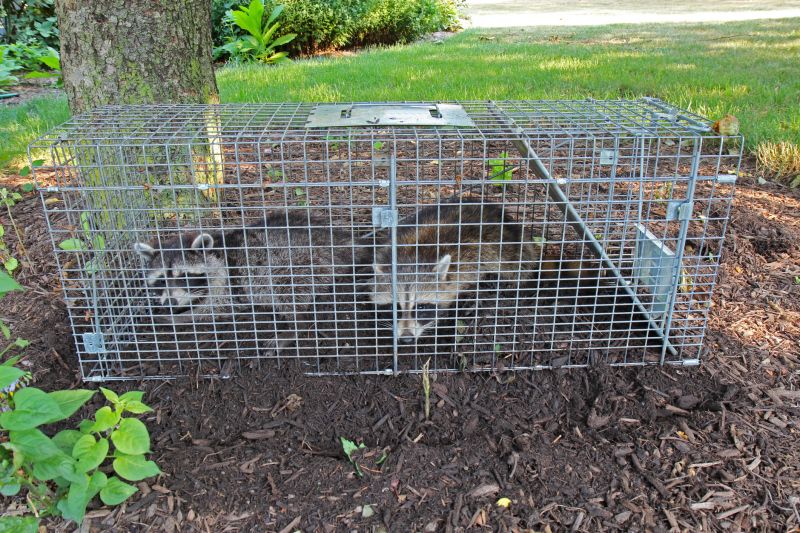 Animal trapping services often require a diverse array of products tailored to safely and effectively manage various wildlife concerns. From small mammals to larger pests, the selection of appropriate trapping tools is essential for humane and efficient control. Traps come in many forms, including live traps designed to capture animals without harm, and lethal traps intended for quick elimination. Proper knowledge of the target species and the environment helps determine the most suitable equipment, ensuring safety for both the animals and the people involved.
Top Overall Option
Multi-Use Live Animal Trap
A versatile live animal trap designed to accommodate a variety of species with adjustable trigger sensitivity and durable construction. Its humane design allows for safe capture and release, making it a reliable choice for professional trapping services seeking flexibility and effectiveness.
Types of Products For Animal Trapping Service
Live Animal Traps
Enclosures designed to capture animals alive for relocation or humane removal, available in various sizes for different species.
Lethal Traps
Devices intended for quick elimination of pests, including snap traps and foothold traps suitable for specific species.
Catch Poles and Nets
Tools used for safely capturing and handling animals that are difficult to trap or need gentle removal.
Bait Stations
Specialized containers or devices used to attract animals with bait, often used in conjunction with traps.
Trap Accessories
Additional items such as bait, triggers, and covers that enhance trap functionality and ease of use.
Animal Deterrents
Devices that help prevent animals from entering or returning to certain areas, complementing trapping efforts.
Trap Mounts and Stands
Supports and mounts that provide stability and strategic placement of traps in various environments.
Humane Cage Traps
Large, humane cages suitable for capturing multiple or larger animals safely.
Rodent Traps
Small traps specifically designed for rodents like mice and rats, often baited with attractants.
Bird Traps
Specialized traps for capturing nuisance birds, often including netting or cage designs.
Underwater Traps
Traps designed for aquatic animals or species that frequent water bodies.
Trap Covers and Shields
Protective covers that camouflage traps and reduce animal stress during capture.
Portable Trap Carts
Transport solutions for moving traps easily across different locations.
Popular Choices
Complete sets including traps, bait, and accessories suitable for various species.
Quiet, effective traps designed specifically for rodents, often reusable and easy to clean.
Traditional lethal traps that provide quick results for small pest control.
Large capacity traps suitable for capturing raccoons humanely for relocation.
Lightweight netting and traps used for managing nuisance bird populations.
Specialized traps for aquatic species or animals in water bodies.
Essential tools for safely handling and relocating captured animals.
Effective bait delivery systems to attract target species to traps.
All-in-one kits that include various trap types and accessories for versatile trapping.
Devices to help prevent animal intrusion in specific areas, supporting trapping efforts.
Easy-to-move carts for transporting traps between locations efficiently.
Robust cages designed for safe capture of larger wildlife species.
Effective animal trapping also involves understanding the specific needs of different species. For instance, some animals may require baited traps with specific attractants, while others might need traps that are discreet and easy to set up. The materials used in traps matter too; durable, weather-resistant constructions ensure longevity in outdoor conditions. Additionally, considerations such as trap size, trigger sensitivity, and ease of transportation play a role in selecting the right tools for a trapping service.
Proper training and adherence to safety protocols are essential when handling trapping equipment. Ensuring that traps are checked regularly minimizes stress for captured animals and reduces the risk of escapes or injuries. For professionals, investing in a variety of trap types allows for flexibility across different scenarios, whether dealing with nuisance animals in urban areas or wildlife in rural settings. The right combination of equipment can streamline operations and enhance the effectiveness of the service.
Ultimately, choosing the right products for animal trapping services involves balancing humane considerations with practical effectiveness. By selecting appropriate traps and accessories, professionals can perform their duties responsibly while minimizing unintended harm. The right tools not only improve success rates but also uphold ethical standards in wildlife management and control efforts.
Key Buying Considerations
- Target species and size: Ensure the trap is appropriate for the animal you intend to capture.
- Humane design: Select traps that minimize stress and injury to animals during capture.
- Durability: Consider weather-resistant materials for outdoor use.
- Trigger sensitivity: Adjustable triggers can improve capture success and reduce false activations.
- Ease of use: Look for traps that are simple to set, check, and clean.
- Bait compatibility: Ensure the trap can accommodate effective attractants for the target species.
- Trap size and capacity: Larger traps may be necessary for bigger animals, while smaller traps suit rodents.
- Transportability: Lightweight and portable options facilitate movement between sites.
- Safety features: Consider traps with secure latches to prevent escapes during handling.
- Regulations and permits: Check local wildlife laws to ensure compliance with trapping regulations.
- Maintenance requirements: Opt for traps that are easy to maintain and disinfect.
- Environmental impact: Avoid traps that could unintentionally harm non-target species.
- Cost and budget: Balance the features needed with affordability for ongoing use.
- Availability of accessories: Compatibility with bait stations, covers, and handling tools can enhance effectiveness.